-
-
-
Tbilisi, Georgia
Tbilisi, Georgia

About the Congress
Hypogea 2026
5th International Congress of Speleology in Artificial Cavities will take place in Tbilisi, Georgia, from 22 to 26 September 2026.
The Congress is held under the patronage of the Union Internationale de Spéléologie (UIS) and is organized by the Georgian National Museum and the Ministry of Culture of Georgia in partnership with the National Agency for Cultural Heritage Preservation of Georgia.
HYPOGEA is an international scientific platform dedicated to the study, documentation, protection and promotion of artificial cavities and underground heritage.
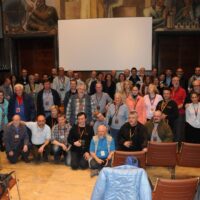
Previous congresses were successfully held:
Rome, Italy (2015)
Cappadocia, Turkey (2017)
Dobrich, Bulgaria (2019)
Genoa, Italy (2023)
The 2026 edition will bring together researchers, heritage professionals, and specialists from various disciplines to share knowledge, research results and best practices in the field of Rock-Cut heritage.
We presented to you the proposal to hold the next congress, HYPOGEA 2026, dedicated to the study of artificial caves, in Tbilisi, the capital of the Republic of Georgia.
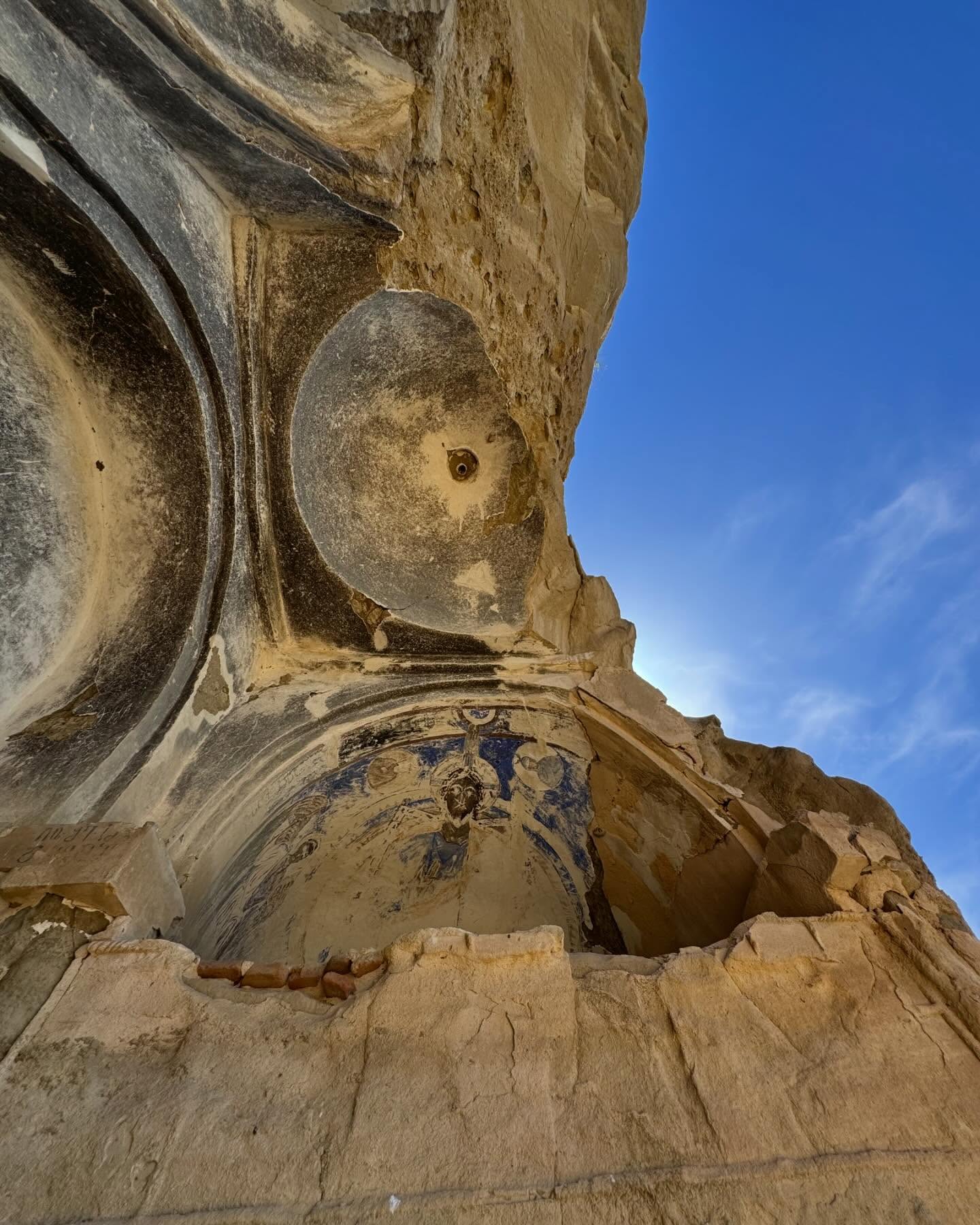
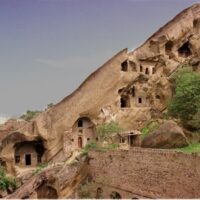
The foundation of this proposal lies in the fact that Georgia is particularly rich in outstanding rock-cut monuments. On the territory of the country we encounter a wide variety of sites: from ancient artificial caves, dating back to the Bronze Age and excavated through the method of heating and cooling the rock, to cave sanctuaries of the Classical period, created in the brilliant style of Roman architecture. Especially remarkable, however, are the Christian monastic complexes, comprising dozens of rock-hewn churches, refectories, and cells—many adorned with wall paintings of extraordinary artistic mastery. Should HYPOGEA 2026 ultimately be held in Tbilisi, its participants would have the opportunity to become directly acquainted with these unique monuments through the planned excursions.
A second reason behind our candidacy to host this congress in Tbilisi is that Georgian scholars have accumulated nearly 150 years of experience in the scientific investigation of artificial caves in the Caucasus. To cite one example: in the early 20th century, the cave districts of Ani - the greatest medieval city of the Caucasus - were systematically studied and published in a substantial monograph by the distinguished Georgian historian David Kipshidze, a work that remains highly relevant and widely referenced to this day. From the mid-20th century onward, within the framework of Georgia’s foremost academic institution, the Academy of Sciences of Georgia, a specialized laboratory for the study of artificial caves was established.

For decades, this laboratory functioned productively as part of the Georgian National Museum, under the leadership of Professor Givi Gaprindashvili. This scientific unit organized numerous archaeological and cultural expeditions throughout Georgia and neighboring regions, investigated well-known cave complexes, and identified previously unknown monuments. The results of these endeavors include dozens of published monographs and the organization of many academic conferences devoted to this subject. We should note that our present research group, working within the Georgian National Museum.

With regard to the preparatory work already undertaken by our team for the successful organization of HYPOGEA 2026.
The event will be organized by the Georgia National Museum, the National Agency for Cultural Heritage Presevation of Georgia, the Georgian National Academy of Sciences.
Should become a participant.
Representatives from various countries participating in the congress will present their research.…
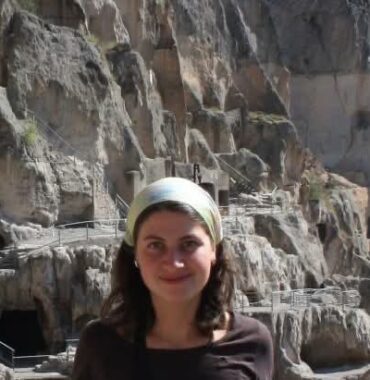
Georgia
Georgia
Georgia
Italy
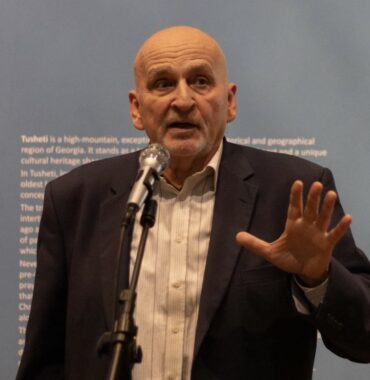
Georgia (Secretary)
Georgia
Georgia
Georgia