Rules for Abstract Submission

Proposed contributions, written in English, must concern unpublished studies (or updated results
from major research campaigns) relating to artificial cavities and associated topics.

Abstracts must be submitted in English, without illustrations, and in word.docx format. They must not exceed 3,500 characters, including spaces and keywords.

Thematic Sessions

  1. Underground and rocky civil settlement works
  2. Religious and cult works
  3. Architecture and urban planning
  4. Archaeological research of artificial cavities
  5. Ancient hydraulic works
  6. Mining and extraction works
  7. New technologies for analyzing and documenting artificial cavities
  8. Categories and types of artificial cavities: updates

The relevant thematic session must be indicated in brackets under the title. The Organizing Committee will be responsible for the scheduling and distribution of the presentations. Each proposal will be reviewed by one or more members of the Scientific Committee, who will determine whether the presentation is to be delivered orally or as a poster. In the case of rejection, the corresponding author will be notified promptly.

Deadlines:
Abstract submission: 1 March 2026
Send definitive contribution: 15 May 2026
Early subscription: 30 June 2026
Registration closing date for speakers: 31 July 2026

Registration closing date for others: 31 August 2026 

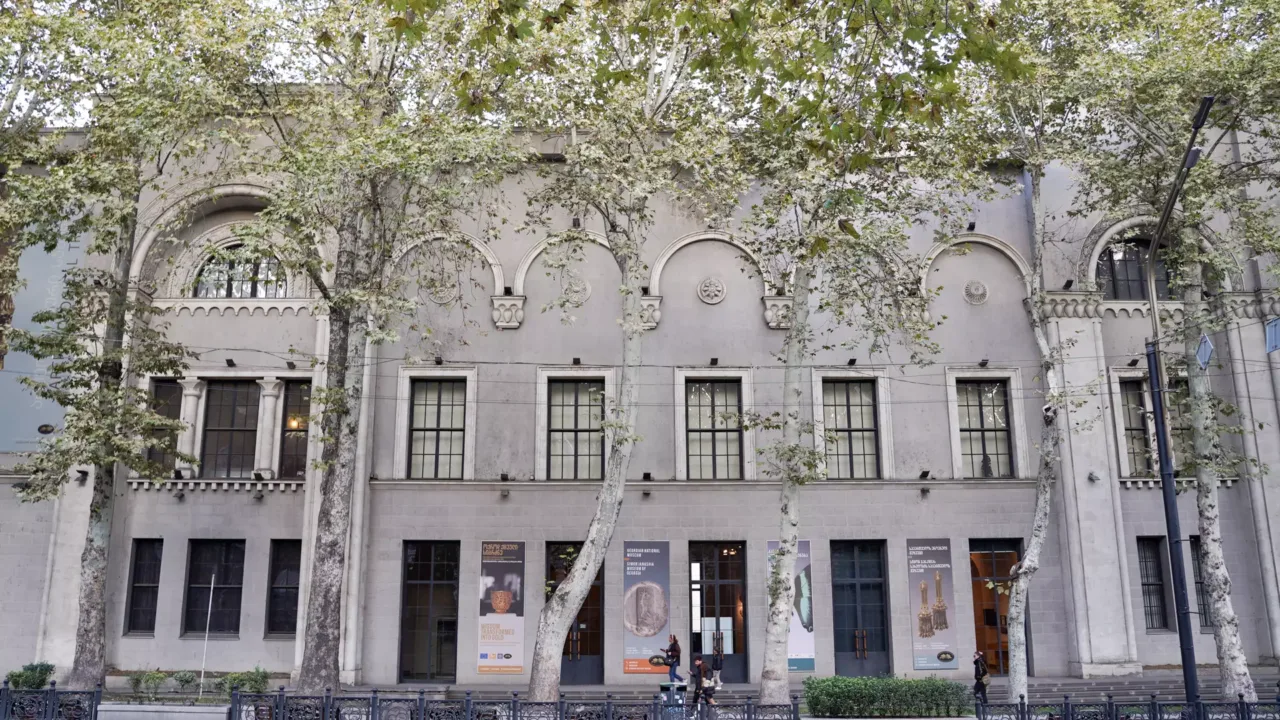
We look forward to seeing you in Tbilisi, Georgia
Best wishes
The Organising Committee

Contacts
General Secretary: hypogea2026@gmail.com                        Abstract submission: book.hypogea2026@gmail.com

  • September 22 , 2026

    Day 01

  • September 23 , 2026

    Day 02

  • September 24 , 2026

    Day 03

  • September 25 , 2026

    Day 04

  • September 26 , 2026

    Day 05

Welcome Reception & Official Opening

Plenary Session

Plenary Session

Poster Session

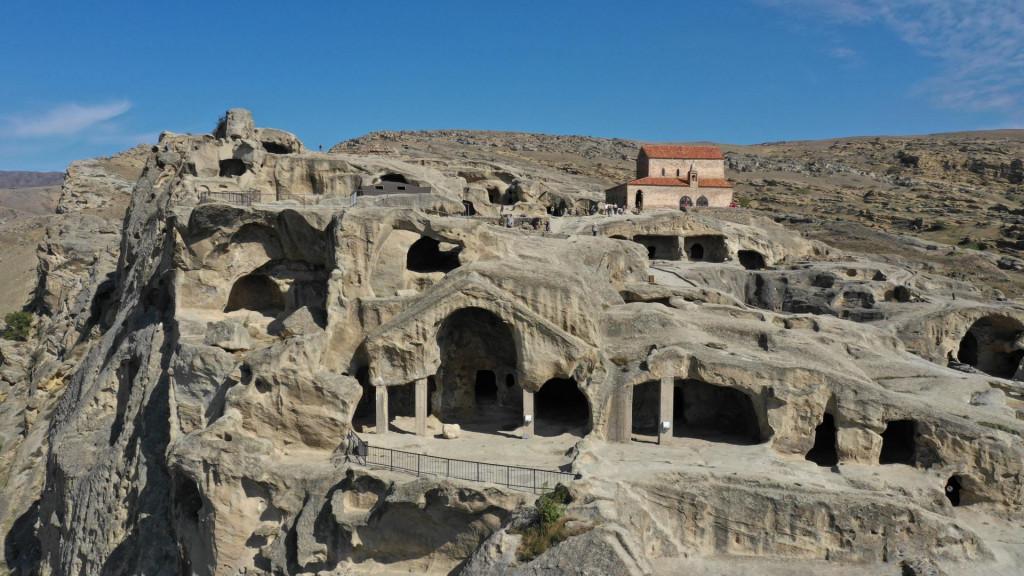
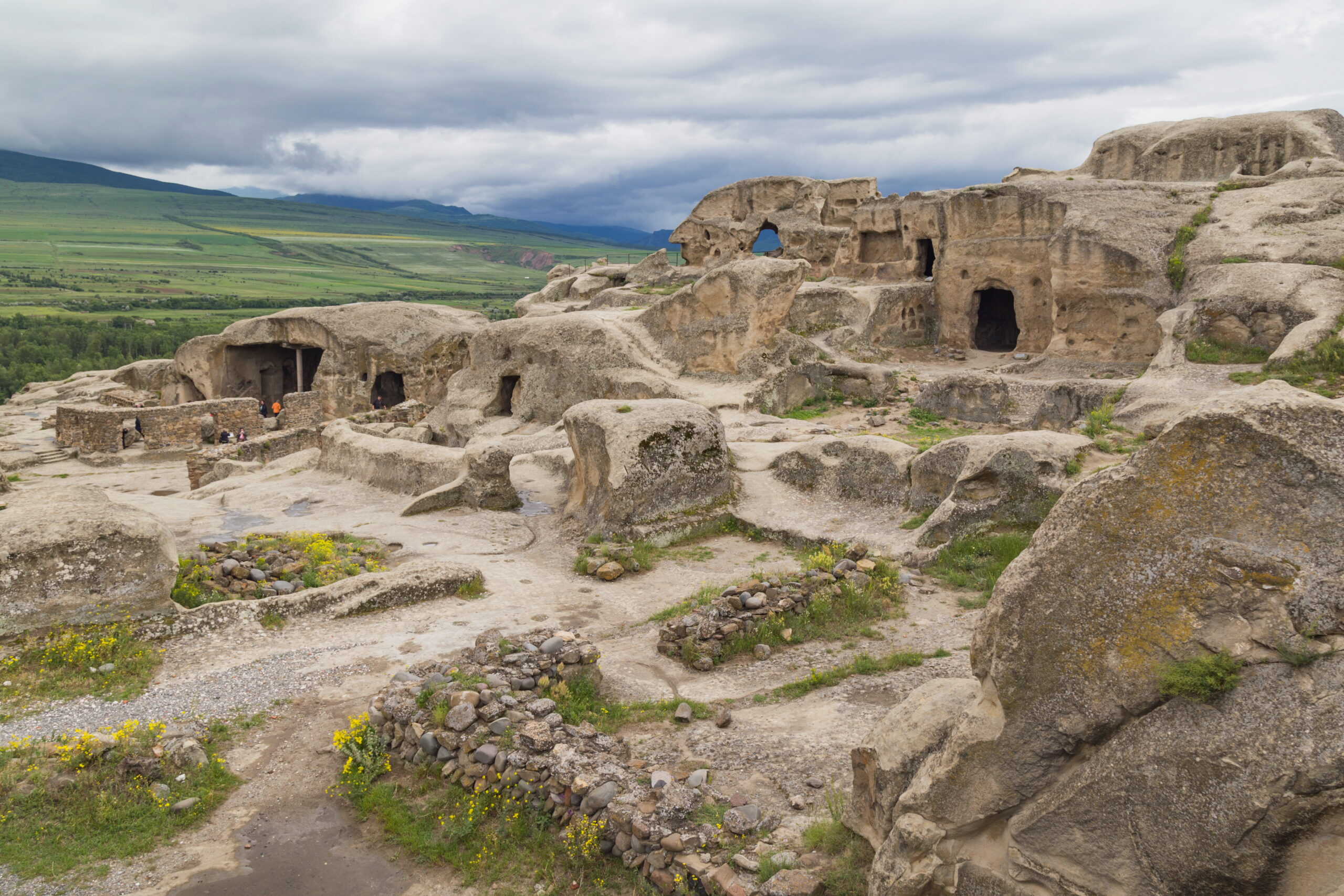
Excursion: Uplistsikhe – the ancient rock-hewn city (Shida Kartli Region)

Traditional Georgian lunch

Final Plenary Session

Roundtable Discussion: Future Perspectives in Artificial Cave Research in the Caucasus and Worldwide